Troubleshoot
Ball Trays and Anti-Blinding Devices for Vibrating Screens
A ball tray is a compartmented sub-deck below the screen media. Machine motion makes captive elastomer balls strike the underside, helping eject dry near-size particles lodged in the apertures. It is not a universal cure: sticky coatings, clay smearing, fibres, weak fine cloth or poor feed distribution may require rods, flexible media, water sprays, heat or an operating correction instead.
Key points
- Diagnose wedging, coating and overloaded zones before selecting a device.
- Ball movement needs clearance; packing a compartment reduces cleaning action.
- Match ball material and impact to temperature, chemicals and screen strength.
- Inspect cleaning performance by zone, not only average throughput.
- Change the media when aperture geometry or surface flexibility is the root cause.
How a ball tray cleans the screen
The operating media sits above a coarse retaining surface or perforated plate. Dividers keep the balls distributed across the deck. As the machine vibrates, each ball rises, contacts the underside of the media and falls back. Repeated impacts can knock out particles that are mechanically wedged and add local flexing that discourages some buildup.
The fines must still pass through the retaining surface and leave the machine. Its openings therefore need to pass the intended undersize without allowing the balls to escape. Tray ribs should not sit so close to the operating surface that they create dead bands. A ball deck also adds mass and occupies vertical space, so check machine clearance and permitted deck loading before installation.
Ball activity comes from the screen motion. A device that works on one machine may be quiet on another with different motion, speed, angle or compartment geometry. Verify by observation during a safe test, then compare blocked area and product results with the original condition.
Identify the blockage before choosing a cleaner
Stop and isolate the machine under the site procedure, then inspect several zones from feed to discharge. A hard particle fixed in an individual opening is pegging. A continuous skin of damp fines is blinding by coating. Clay rolled across the wires is smearing. Fibres wrapped around wire intersections need a cutting or wiping action, not just impact.
Also look for a process problem masquerading as media failure. A heavy ridge on one side suggests poor feed distribution. A clean feed end and blocked discharge end may indicate near-size concentration after easy fines have already passed. Loose cloth, worn support strips or an incorrect crown can reduce useful media movement and create local damage. Use the blinding and pegging guide for the wider root-cause sequence.
| Observed condition | Likely mechanism | First option to test | Avoid |
|---|---|---|---|
| Dry, hard particles lodged one by one | Near-size pegging | Ball tray or under-deck impact device | Adding water without a wet-process plan |
| Damp fines coating wires | Adhesive blinding | Feed moisture control, suitable flexible media, spray or heat review | Assuming harder impacts will remove every film |
| Blockage follows one feed ridge | Uneven loading | Correct feed distribution first | Filling only that zone with extra balls |
| Fibres loop around openings | Stapling | Wiper, brush or different aperture geometry | Relying on random ball impact alone |
| Fine wire is stretched or broken | Cleaning impact too aggressive or tension fault | Remove the cause and review media strength | Installing heavier balls |
| Sticky feed blinds the full deck repeatedly | Media/process mismatch | Trial self-cleaning or flip-flow media | Treating the tray as the only permanent answer |
Compare ball trays, rods, heat, sprays and media changes
Choose the cleaning action that matches the blockage. Ball impacts suit many dry near-size plugs on media strong enough to accept repeated contact. Flexible polyurethane deblinding rods sweep or bounce across selected areas beneath a screen. Their layout can target recurring zones without filling an entire sub-deck. Our anti-blinding rods are made to the required diameter and duty rather than treated as one universal bar.
Water sprays convert suitable sticky fines into a flowable slurry and wash the apertures, but they also change the product and plant water balance. Check water supply, drainage, pump capacity, downstream recovery and winter operation. A heated wire deck uses electrical resistance to weaken the moisture bond at the wire surface; it requires electrical design, guarding and controls appropriate to the plant environment.
Sometimes the better fix is the screening surface. A diamond self-cleaning screen lets individual wires move, while flip-flow mats repeatedly flex to shed difficult feed. These choices can reduce dependence on a separate cleaner, but the product cut, carryover, wear pattern and fixing system must still be tested.
- Ball tray: repeated point impact from below.
- Deblinding rods: mobile contact concentrated in selected zones.
- Spray bars: washing and slurry transport through the openings.
- Heated deck: breaks moisture adhesion at a conductive wire surface.
- Flexible media: changes the aperture movement and buildup mechanism itself.
Select balls and compartments without a false rule of thumb
Ball diameter, density, hardness, resilience and compound all affect impact. Published commercial ranges include diameters from 16 to 50 mm, but that is evidence of available choices, not a sizing formula. Natural rubber, polyurethane, silicone and other elastomers behave differently under abrasion, heat, oils and low temperature. Ask for compatibility with the actual feed and cleaning regime.
A compartment must let its balls travel and rebound. Too few balls can leave quiet areas; too many collide with one another and reduce free movement. The correct count depends on compartment area, ball diameter, vertical clearance, motion and the blockage pattern. Do not copy a count from a different separator. Begin with the equipment or tray design, observe distribution, and adjust only through a controlled trial.
Check that the operating media can accept impact. Fine or lightly tensioned wire can stretch, fatigue or polish through where balls strike. Coarse woven cloth, tensioned mats and modular panels respond differently. The support surface must retain balls while passing all intended undersize, and its fastening must remain secure under continuous vibration.
| Selection input | What to record | Why it matters |
|---|---|---|
| Screen media | Type, aperture, wire or panel thickness, tension | Sets impact tolerance and passage path |
| Feed | Material, top size, moisture, temperature, oils or chemicals | Guides compound and cleaning method |
| Blockage map | Percentage blocked in each deck zone | Guides compartments or rod placement |
| Machine motion | Motion type and verified operating condition | Provides the energy that moves the balls |
| Tray space | Clearance, support opening, divider layout | Controls rebound and ball retention |
| Acceptance target | Blocked area, throughput and product sample | Shows whether cleaning improved the process |
Worked decision example: damp sand with a blocked lower deck
A sand plant reports falling throughput after rain. Inspection shows two different symptoms: the feed half carries a continuous clay film, while the discharge half has isolated elongated grains wedged in slots. The deck is also loaded more heavily on the drive side. Installing a dense ball tray immediately would mix three causes and make the result hard to interpret.
First, the plant corrects the feed chute so the bed spreads across the width. Second, it samples the clay-bearing feed and checks whether wet screening and water handling are acceptable. Third, it trials under-deck impact only beneath the discharge zone where hard plugs remain. If the feed-zone film returns, it trials flexible media or a controlled spray there rather than adding more impact.
The decision rule is simple: fix distribution before accessories; use impact for discrete plugs; use washing, controlled heat or flexible surfaces for adhesion; change aperture geometry when particle shape repeatedly wedges. Record the same inspection points before and after each change. This staged method identifies what worked and avoids replacing one blockage with torn media or excess carryover.
Inspection and maintenance checklist
Inspect at a fixed interval based on duty and early trial results. Lock out the machine before opening guards or entering the screen. Count missing, cracked, flattened or hardened balls. Look for polished contact bands, stretched wire, cracked dividers, loose fasteners and retained oversize below the operating screen. Clear the discharge path so the tray does not become a second blocked deck.
Replace balls when loss of shape or rebound reduces cleaning, not only when a ball disappears. Keep replacements from the same approved compound and size within a compartment unless a documented trial says otherwise. After maintenance, confirm that nothing can migrate into the product or contact moving machine parts.
| Log field | Before change | After change |
|---|---|---|
| Blocked openings by zone | Mark feed, middle, discharge and both sides | Repeat at the same run time |
| Ball condition | Count and note hardness, flats, cracks and losses | Record replacements by compartment |
| Media condition | Tension, broken wires, worn apertures | Check for new impact damage |
| Process result | Feed rate and product sample method | Use the same measurement basis |
| Operating context | Moisture, feed blend and machine condition | Note any variable that changed |
Information to send for a replacement or trial
Send the machine and deck position, media type, aperture, wire or panel thickness, finished dimensions, tension or fastening system, support layout and available sub-deck clearance. Add arrows for material flow and tension direction. Include overview photographs plus close-ups of the blocked openings, underside, tray, dividers and worn balls.
Describe the feed material, moisture range, operating temperature, desired cut and whether water can be introduced. State whether the problem is isolated pegging, continuous coating, fibres, or mixed. For a controlled trial, define the test zone and acceptance measure before ordering. Standard specifications usually ship in 2–4 weeks; moulded or custom items take longer, and the quotation confirms it.
- Do not send a clean panel photograph alone; show the failure in place.
- Mark all tray clearances and retaining-surface openings.
- Identify chemicals and washdown agents for compound review.
- State the current ball size and compound if known.
- Keep a baseline sample and inspection map for comparison.
Frequently asked questions
How does a ball tray prevent screen blinding?
The tray holds free-moving balls beneath the operating media. Screen motion makes the balls rebound against the underside, producing repeated local impacts and flexing. This can eject dry near-size particles lodged in openings and discourage some loose buildup. The fines then pass through the coarse retaining surface below. The device depends on suitable motion, clearance and media strength.
What material should screen cleaning balls be?
Select the compound from the feed, temperature, abrasion, oils, chemicals, hygiene requirements and required rebound. Commercial choices include natural rubber, polyurethane, silicone and other elastomers. No compound is best for every plant. Ask for compatibility data and trial the ball in the real duty, then inspect both cleaning performance and wear of the screen surface.
How many balls go in each compartment?
There is no universal count. It depends on compartment area, ball diameter, vertical travel, machine motion and the location of blockage. Balls need room to move; overfilling can reduce useful rebound. Start with the tray or machine design, observe whether all zones remain active, and change the count only as a documented trial with blocked area and media condition recorded.
Do ball trays work on wet sticky material?
They may disturb light buildup, but repeated impact is generally better suited to discrete near-size plugs than to a continuous adhesive film. Wet clay, oils or fibres can require feed conditioning, sprays, controlled heating, wiping action or flexible media. Diagnose the deposit first. If water is added, account for wet product, slurry collection and downstream water capacity.
How are screen blinding and pegging different?
Pegging is a mechanical lock: a particle is wedged in an aperture. Blinding is broader loss of open area, commonly from damp fines or sticky material coating and bridging the surface. Ball impact may release pegged particles. A coating often needs a different action, such as washing, flexing, wiping or breaking the moisture bond.
When should deblinding rods be used?
Use flexible rods when mobile contact beneath selected deck zones can address recurring buildup and the media can tolerate that contact. Map the blocked areas first so the rod rows follow the problem rather than covering the deck by guesswork. Confirm clearance, fastening, wire thickness and material compatibility, then inspect for both improved open area and unintended wear.
How often should screen cleaning balls be replaced?
Base replacement on inspection, not a fixed calendar. Duty, compound, temperature and abrasion change the wear rate. Replace balls that are missing, cracked, permanently flattened, hardened or no longer rebounding effectively. During each inspection, record condition by compartment and check the operating media for polished bands, stretching or broken wires caused by excessive impact.
Products mentioned
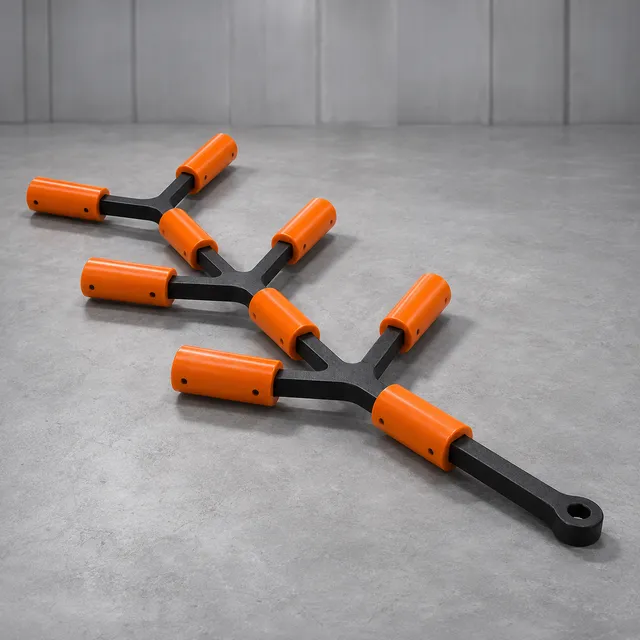
PU Anti-Blinding Rods
Polyurethane rods and knockers that tap the media to free stuck particles.
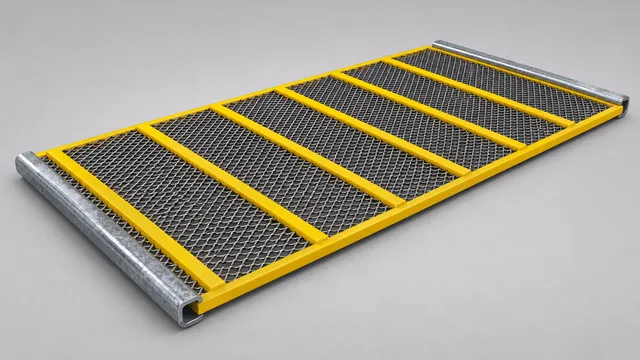
Diamond Self-Cleaning Screen with PU Strips
The most widely used self-cleaning pattern: high open area and accurate cuts on mixed particle shapes.
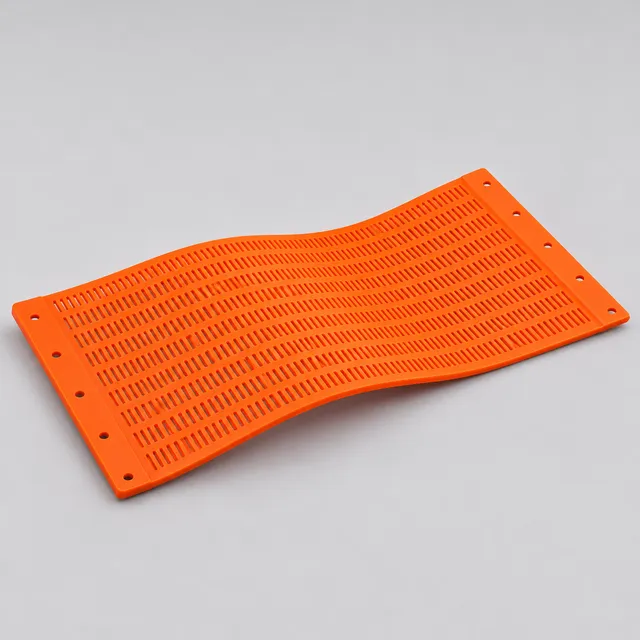
Flip-Flow Polyurethane Mats
Thin, flexible mats for flip-flow (trampoline) screens on wet and sticky fines.
Need a replacement screen?
Send the sizes and a photo of the old panel. We reply with a quotation or questions.
More guides
Screen Blinding vs Pegging: Causes and Fixes
Blinding is a coating of sticky fines that covers wires and closes many apertures; pegging is individual near-size or elongated particles wedged in…
Measure & orderScreen Media RFQ Checklist for an Exact Replacement
For an exact screen-media quotation, send the machine and deck position, media family, aperture, wire or panel thickness, material, finished…
TroubleshootWhy Screens Tear at Hooks and Wires Break at Support Bars
The break location usually points to the cause. Tears beside hooks suggest uneven tension, wrong panel width or a mismatched clamp profile. A…